
Breathing is the only physical function which is both involuntary and voluntary. We breathe without thinking about it when we sleep 😴
The breath is the key to controlling our autonomic nervous system. We can learn to control our breath when we are awake. When stressed or anxious, we tend to breathe shallowly and quickly which causes our ‘fight or flight’ sympathetic nervous system to kick in!
By consciously controlling the rate and depth of inhalation and exhalation of our breath, we can switch to the ‘rest and restore’ parasympathetic nervous system, which calms our mind and allows us to think more clearly and find a way to quieten the ever present thoughts, ideas, worries that can overwhelm us at times.
In yoga, we use the Sanskrit term, PRANAYAMA, which translates as, the conscious control of the breath
The Full Yogic Breath is a great technique to learn as it is easy to incorporate into your everyday life and no one even knows you are doing it! It takes a bit if practice before it becomes automatic but it’s worth persevering with as the benefits to both your physical and mental wellbeing are immense.
It’s easiest to start practising this technique lying down. Place one hand on your belly just under your belly button. Breathe out and push all of the air out of your lungs, gently pull your belly button in towards your spine at the last moment.
Now, imagine that you have an empty balloon in your belly and inhale deeply to inflate the balloon with your breath. Notice how your hands rise as your belly expands. As you exhale, imagine that you are pushing the air out from the bottom of the balloon with your hands. Repeat this process several times. Take your time, breathe slowly, calmly and without judgement.
When you feel that you have mastered this first stage, move one hand onto the side of your ribcage (resting your upper arm on the floor). Start again by exhaling fully, then filling up from your belly and then allowing the air to expand into your lungs, feeling your ribs open out to the sides. Exhale from the lungs first, noticing how your ribs come in again and finally the air releases from your belly as your navel pulls in towards your spine
The third and final stage of the Full Yogic Breath is to fill the very top part of your lungs.
We start by exhaling fully, breathing into our belly, then allowing the air to fill our lungs and expand our rib cage ( to the sides and back of the ribs) and finally allowing the last bit of air we can manage to inhale to fill the upper chest cavity to cause the collarbone to rise slightly. We then breathe out from the top of the chest, then the lungs and ribs and finally the abdomen. Repeat several times with complete awareness of the process and three stages of the technique.
With lots of conscious practice, this technique will become easier and even automatic. You can use it anytime, walking, driving, waiting for an appointment, before an interview, before sleep.
The health benefits of breathing deeply are immense. Here are just a few …..
- Calms the mind
- Lowers blood pressure
- Nourishes our blood cells, muscles, organs and joints
- Boosts our metabolism
- Helps us to control our emotions
- Increases lung capacity
So there it is, just breathe, but breathe deeply, slowly, fully and with awareness and then start to notice the overall benefits that this effective technique brings you.
For those of you who prefer to watch a video I would recommend you watch the following on You Tube
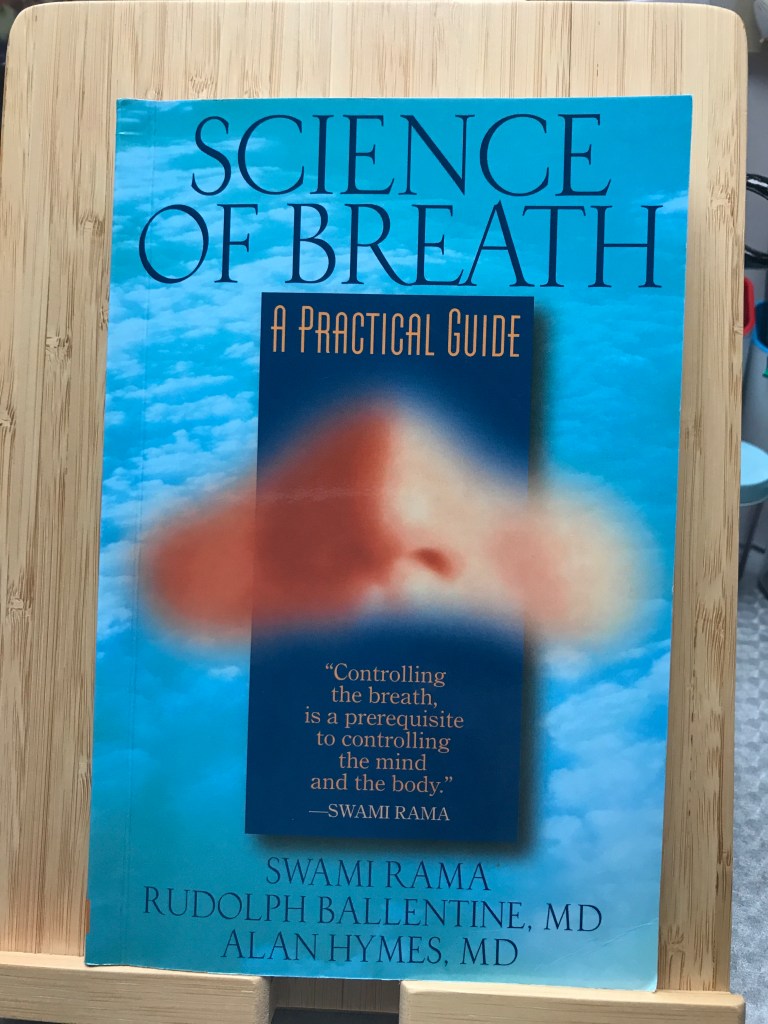
There are lots of interesting books and articles about this subject. One that I found fascinating and informative was
Have a great week 😊🙏
 Yoga with Liz